Jewish Continuity Is a Workforce Question
Every Jewish organization I know can talk at length about “continuity.” We worry, rightly, about whether the next generation will feel connected, knowledgeable, and at home in Jewish life. We draw flow charts of engagement pipelines. We write strategic plans about belonging, ritual, and community.
And yet, in most of those conversations, one element is almost completely absent: the people who actually spend the most time with young Jewish children and their families.
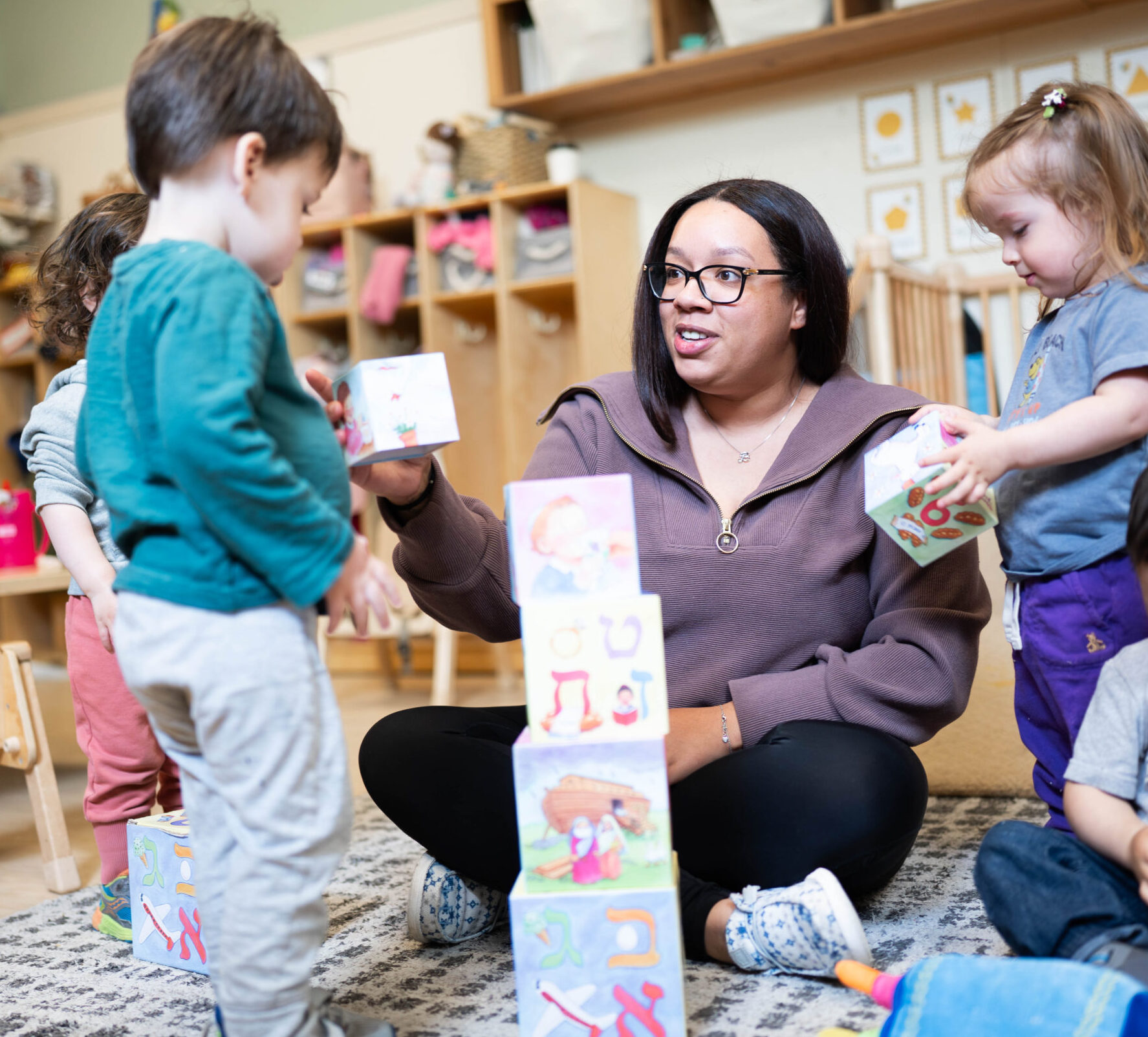
Every morning, across the country, an educator (let’s call her Miriam) opens the classroom door at her Jewish early childhood center, arranges materials, and prepares to welcome a small group of three-year-olds into Jewish life. She soothes feelings, sparks curiosity, and shapes these children's earliest memories of Jewish community. For countless families, she is their primary bridge to organized Jewish life.
This Women's History Month, the question isn't whether we "appreciate" her. It's whether we'll treat Miriam, and thousands like her, as the central architects of Jewish continuity they already are.
Labor historian Alice Kessler-Harris has long documented how women's work gets framed as a social good precisely when it goes unmeasured and uncompensated. For more than half a century, American society, and the Jewish community within it, has handled early childhood education as if it were a private problem for parents and an almost automatic calling for women. We have relied on a largely female workforce, in mostly under-resourced settings, to do the slow, relational work of forming Jewish identity and community. We tell a lofty story about continuity, and then we staff its front lines as if the people in those roles will simply materialize, stay, and improvise.
The result is a dangerous gap between our rhetoric and our reality. Across communities, too many early childhood centers struggle to recruit new teachers, to offer meaningful training, or to keep talented educators from burning out or leaving the field. In some places, classrooms sit half-empty - not for lack of children, but for lack of qualified adults.
Other Fields Show What Works, and What Doesn't
Other fields offer clear models and stark warnings. Hospitals build nursing pipelines through community college partnerships, residencies, national certifications, and hospital-funded mentorship because patient continuity demands it. Google runs “people analytics” to predict attrition and intervene with targeted upskilling and career lattices, treating engineers as the company's future infrastructure. Starbucks transformed barista turnover with internal academies and promotion paths, proving even hospitality can professionalize care work.
The warnings are stark: U.S. public K-12 loses half of new teachers within five years due to weak pipelines and support.
Continuity Means Workforce Systems, Not Heroes
Real workforce continuity isn't complicated, just deliberate. It means:
Hospitals do this for nurses. Google does it for engineers. Starbucks did it for baristas. Early childhood education, which reaches more Jewish families earlier than any other system, should demand no less.
This Is What Workforce Strategy Makes Possible
This is the kind of system ElevatEd helps communities build across thirteen North American cities. More than 700 educators have participated in intensive training, with mentored educators retained at 87% rates versus the sector's 25% annual turnover. Directors gain hiring expertise they didn't have before. Classrooms stay staffed. Children experience stable relationships. Families find their way into Jewish life through strong early childhood centers.
A Communal Responsibility, Not a Private Problem
Jewish tradition insists that education begins in the earliest years. Continuity depends on strong relationships, meaningful ritual, and belonging that starts well before kindergarten. But we cannot meet that obligation on the backs of under-supported educators, no matter how devoted they are.
Policy expert Elliot Haspel puts it plainly: “Without a stable educator force, you can't have a quality program, because that churn affects the child-caregiver relationship. Our broken child care system is a public policy choice. We do not have to have this system.” The same is true in Jewish life.
For federation executives, philanthropists, and lay leaders, the charge is clear: If your strategic plan mentions “continuity,” it must include a specific workforce strategy. Fund recruitment pipelines and hiring training. Support credentialing and mentorship networks. Back local experiments that reveal what works.
The educator standing at the classroom door is not a symbol of self-sacrifice. She is a professional holding an entire ecosystem together: children, families, synagogues, JCCs, and the next generation of Jewish life. This Women’s History Month, let us honor her by building the systems that make her work sustainable - not as a favor to women, but as a commitment to the future of Jewish life.